Additive Rehabilitation
Additive Composite Rehabilitation
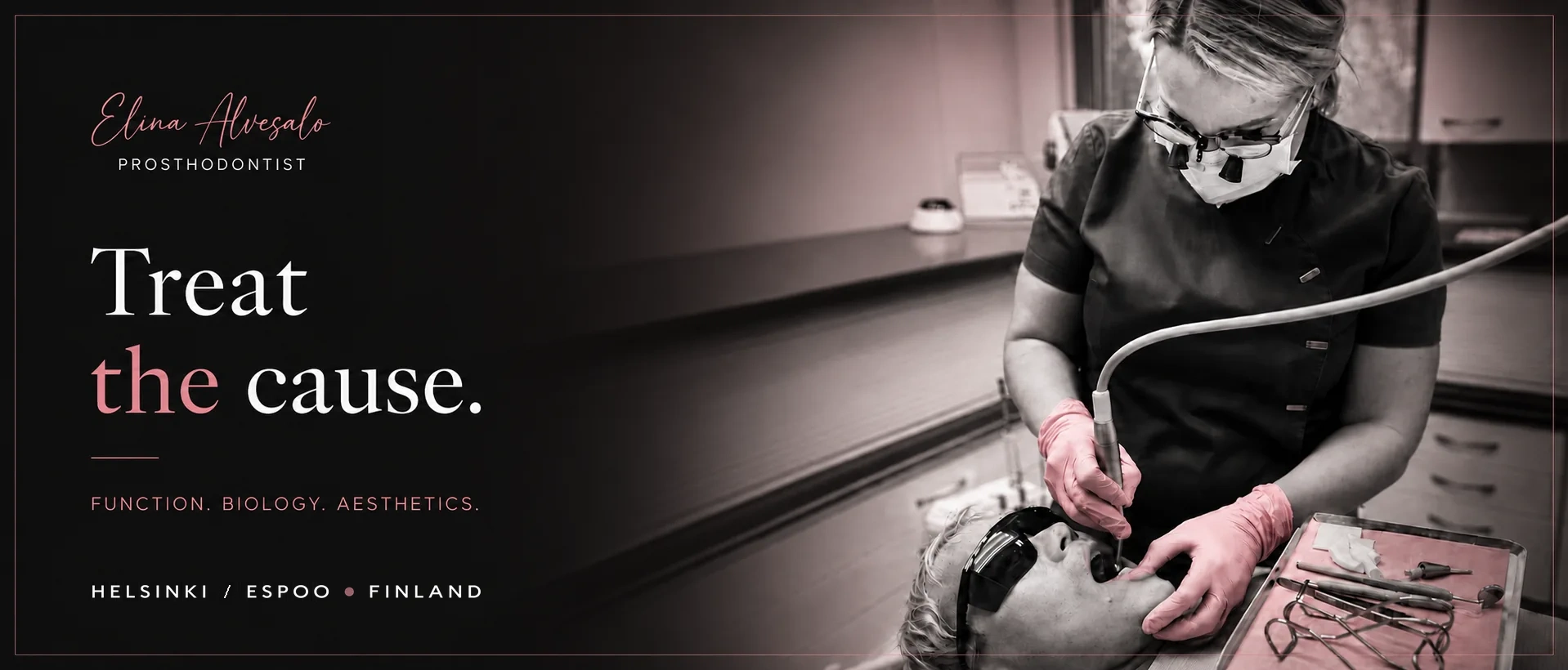


Composite rehabilitation is a modern, minimally invasive method for restoring worn, damaged, or aesthetically compromised teeth. Instead of removing healthy tooth tissue, we add to what is already there — layer by layer — using advanced composite materials that mimic the strength, function, and beauty of natural enamel and dentin. This technique aligns perfectly with the core philosophy of prosthodontics: to preserve biological structures, restore natural function, and create an appearance that belongs harmoniously in the face.
Every composite rehabilitation begins with a clear functional and aesthetic analysis. We start by asking why the teeth have broken down. Is there tooth wear due to bruxism? Has there been a loss of vertical dimension? Are the teeth misaligned, leading to uneven loading and chipping? Only by understanding the causes can we design a treatment that will last. This makes the prosthodontist’s role critical — the analysis goes beyond cosmetics and considers biomechanics, occlusion, and long-term prognosis.
Once we understand the cause, we create a wax-up — a diagnostic mockup of the ideal tooth shapes, positions, and occlusion. This wax-up serves as both a design and a communication tool. From this, we can create a mockup in the patient’s mouth to test function, esthetics, and phonetics. Only once we confirm the design in the real-world setting do we begin placing the final composite restorations.
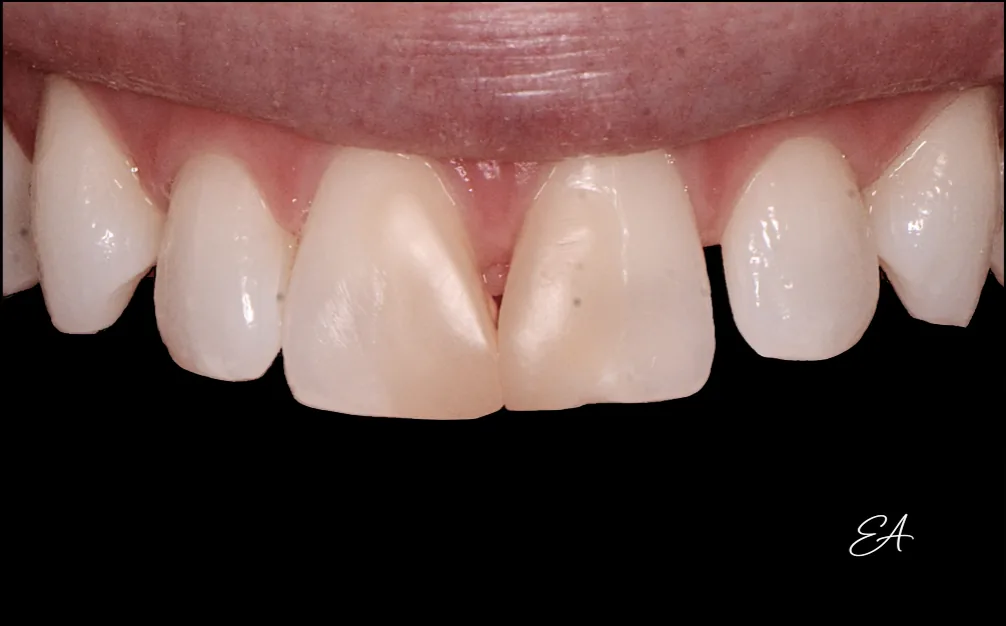
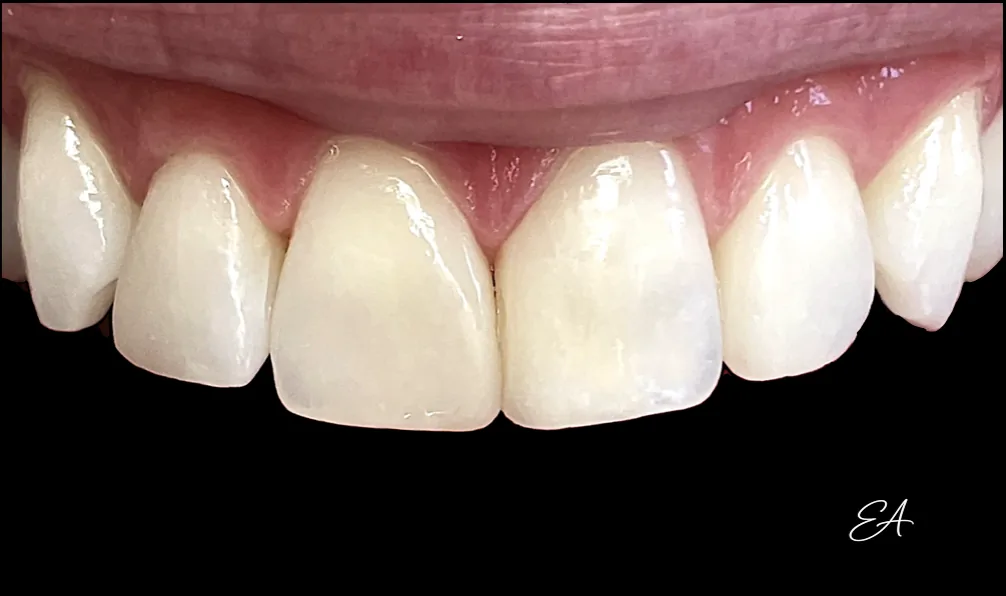
Using high-performance nano-hybrid or micro-filled composites, each tooth is rebuilt by hand. The composite is applied in small, controlled increments and sculpted with precision. This allows us to rebuild worn incisal edges, lengthen short teeth, close black triangles, and restore symmetry — all without grinding down the natural structure. The result is often indistinguishable from natural enamel, both visually and functionally.
Composite rehabilitations can be full-arch or localized, depending on the needs of the patient. In cases of generalized wear or erosion, we may restore the entire smile. In others, only a few strategic teeth may need attention to re-establish guidance, support, and harmony. Because composites are additive and adjustable, they are ideal for young patients, cases requiring frequent maintenance, or as an interim step before ceramic restorations.
Importantly, this is not about creating a “Hollywood smile.” It’s about recreating what nature originally intended — balanced, functional teeth that support the lips, guide the bite, and feel good when you chew, speak, and smile. Additive composite work, when planned prosthodontically, allows us to deliver beautiful results while keeping every possible millimeter of natural tissue intact.
Over time, composite may wear or stain slightly, but it can be polished, repaired, and maintained — much like natural enamel. This makes it an incredibly versatile and patient-friendly material. When done well, additive composite rehabilitation becomes a powerful tool in comprehensive dental care, restoring confidence, function, and natural aesthetics without compromise.
Clinical result
Treatment Costs — Composite
Composite rehabilitations are performed using a layered technique with high-end materials and are fully customized to your smile and function. Pricing depends on the number of teeth treated and the complexity of the case:
- Full upper arch (10- 12 teeth): €7,000
- 8 teeth: €6,000
- Per tooth (localized aesthetic composite bonding): €250 – €600
The full-arch treatment includes a wax-up, mock-up, final restorations in different shades of composite. A non-refundable deposit (amount determined during consultation) may apply for planning and lab work.